Oyo Obas’ Chairmanship Rotation Not New, Rooted in Law and History — Facts Emerge
By Jamisi News

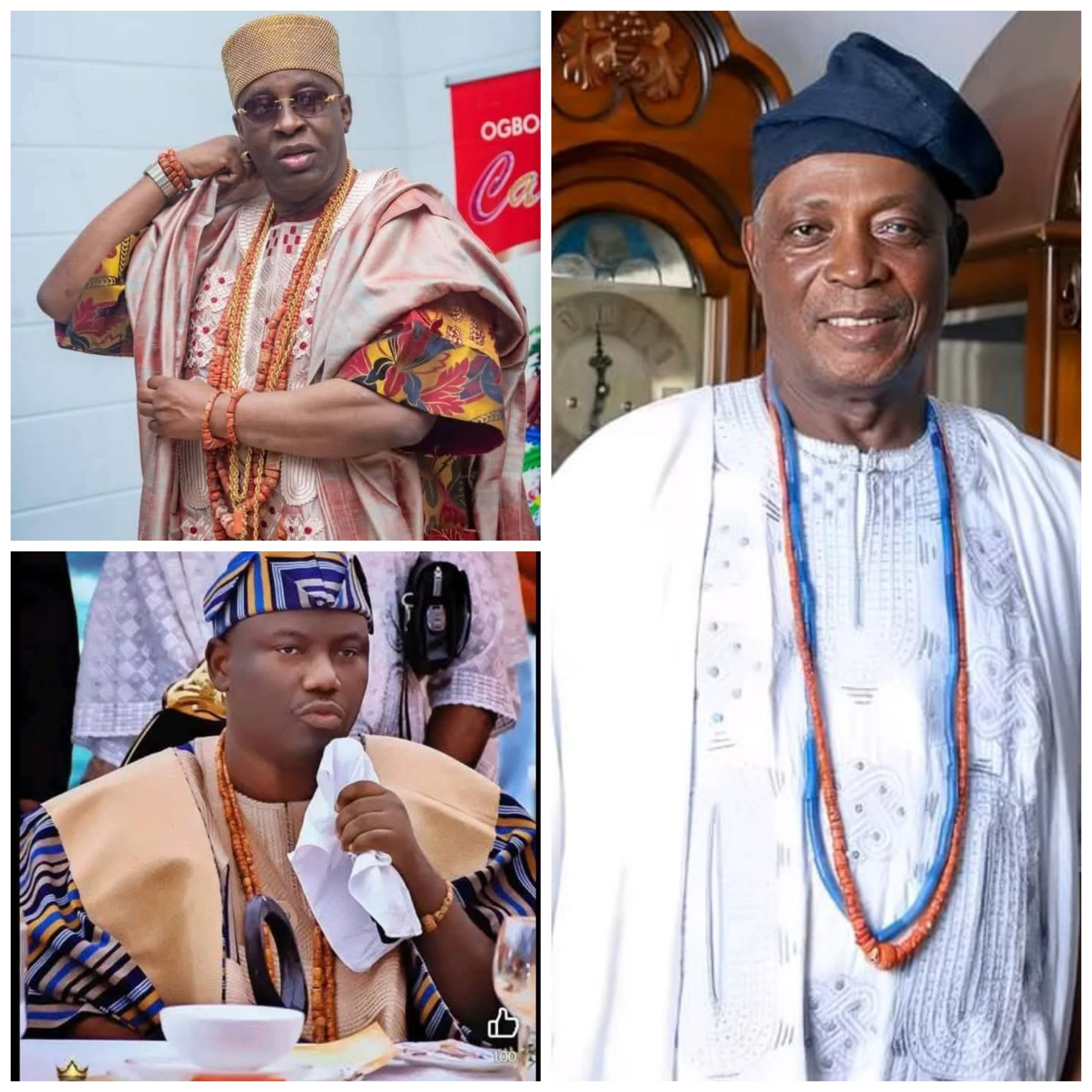 Recent debates surrounding the rotational chairmanship of the Oyo State Council of Obas and Chiefs have sparked public controversy, particularly following the inauguration of the Olubadan of Ibadanland as chairman. However, a review of historical and legal records shows that the rotational arrangement is neither new nor unprecedented, but firmly rooted in law and long-standing efforts to ensure balance among the state’s foremost traditional institutions.
Historically, the Alaafin of Oyo held the position of permanent chairman of the council for several decades. However, the arrangement began to face opposition from other prominent monarchs, particularly the Olubadan of Ibadanland and the Soun of Ogbomosoland, who argued that Oyo State is a multi-cultural entity requiring equity and shared leadership.
2011: The Defining Legal Turning Point
The most verifiable and decisive change occurred in 2011, during the administration of former Governor Adebayo Alao-Akala, when the Oyo State Council of Obas and Chiefs Law was amended by the State House of Assembly.
That amendment removed the Alaafin as permanent chairman and formally introduced a rotational chairmanship among the three foremost monarchs:
Alaafin of Oyo
Olubadan of Ibadanland
Soun of Ogbomosoland
The law was duly passed by the legislature and assented to by the governor, giving the rotational system full legal backing.
Legal Disputes and Political Intervention
The amendment generated strong reactions and disagreements within the traditional institution. Although disputes arose and consultations followed, political developments at the time — including changes in government — slowed full implementation of the law.
Under the administration of Governor Abiola Ajimobi (2011–2019), efforts were made to de-escalate tensions among the monarchs. Meetings of the council were largely suspended, and traditional rulers were encouraged to remain in their domains, effectively putting the law in abeyance without repealing it.
2025–2026: Reaffirmation, Not Introduction
In 2025, the Oyo State House of Assembly passed a further amendment to the chieftaincy law, reaffirming and clarifying the rotational chairmanship, including tenure structure. This legislative action paved the way for renewed implementation.
In January 2026, Governor Seyi Makinde formally inaugurated the reconstituted Oyo State Council of Obas and Chiefs, with the Olubadan of Ibadanland emerging as chairman, marking the first full implementation of the rotational system in many years.
Ongoing Debate
Despite its legal foundation, the rotational arrangement has continued to generate debate. The Alaafin’s palace has publicly stated that it did not formally endorse the recent inauguration, highlighting the sensitive nature of traditional authority in the state.
Nevertheless, legal experts and observers note that the current arrangement is backed by existing state law, not executive discretion.
Conclusion
Contrary to claims that the rotational chairmanship is a recent political innovation, records show that:
The rotational principle has legal roots dating back to 2011
The current implementation is a revival and enforcement of existing law
The objective remains fairness, inclusiveness, and unity among Oyo State’s traditional institutions
As discussions continue, stakeholders are calling for dialogue, respect for tradition, and adherence to the rule of law to preserve peace and dignity within the revered institution of Yoruba monarchy.