
Wike, APC And The Opposition Crisis: Is Nigeria Sliding Toward One-Party Dominance?
By J’amisi Newsline

Nigeria’s opposition politics is facing one of its biggest tests since the return of democracy in 1999. With fresh defections to the ruling All Progressives Congress (APC), growing internal crises inside the Peoples Democratic Party (PDP), and renewed accusations involving the Independent National Electoral Commission (INEC), many political observers are beginning to ask a serious question: is Nigeria gradually becoming a one-party state?
At the centre of the conversation is the Minister of the Federal Capital Territory, Nyesom Wike. Although still officially linked to the PDP, Wike has become one of the most controversial figures in Nigeria’s political landscape because of his close alliance with President Bola Ahmed Tinubu and the APC-led federal government.
Recent developments have deepened the crisis within the opposition. INEC recently recognised a PDP leadership structure widely believed to be backed by Wike, despite legal disputes and resistance from rival factions inside the party. Political tension also intensified after Oyo State Governor Seyi Makinde accused Wike of working with the APC to destabilise the PDP ahead of the 2027 elections.

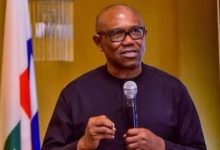
At the same time, governors and major political figures continue defecting to the APC, weakening opposition parties across the country. Analysts say the PDP’s internal division has made it easier for the ruling party to absorb frustrated politicians and consolidate power.
The Rivers State political crisis has further fueled concerns. The prolonged battle between Wike and Governor Siminalayi Fubara has exposed growing cracks not just within Rivers politics, but also within both the PDP and APC. APC leaders in Rivers have openly challenged Wike’s influence, while some PDP elders now insist he no longer represents the party’s interests.
Opposition voices are also raising alarms about the role of state institutions. Former presidential candidate Pat Utomi recently alleged that the federal government could use INEC and the judiciary to frustrate opposition parties ahead of 2027. The presidency has denied those allegations, insisting that President Tinubu remains focused on governance rather than political suppression.
Outside traditional media, public frustration is increasingly visible online. Discussions across Nigerian online communities show many citizens worrying about the weakening opposition, the concentration of political power, and the growing influence of political godfathers in national politics.
For now, Nigeria still operates a multi-party system. But the current wave of defections, factional battles, and political alliances is reshaping the country’s democratic landscape ahead of 2027. Whether the opposition can reorganise itself before the next election may determine how competitive Nigerian politics remains in the coming years.


