
Peter Obi Officially Enters 2027 Presidential Race After Opposition Alliance Split
By J’amisi Newsline

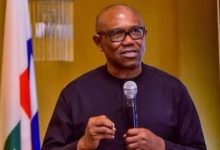
Former Anambra State governor and opposition figure Peter Obi has officially declared his intention to contest Nigeria’s 2027 presidential election, setting the stage for what could become one of the most closely watched political battles in the country’s recent history. His announcement follows his emergence as the presidential candidate of the Nigeria Democratic Congress (NDC), ending weeks of speculation about his political future.
Obi’s decision comes after he withdrew from a broader opposition coalition that had sought to unite major political figures behind a single candidate capable of challenging incumbent President Bola Ahmed Tinubu. The coalition, led by the African Democratic Congress (ADC), was viewed by many analysts as the opposition’s best opportunity to avoid the vote-splitting that contributed to Tinubu’s victory in the 2023 election.
Speaking after securing his party’s nomination, Obi emphasized insecurity and economic hardship as key issues that would shape his campaign. He argued that Nigeria must urgently address rising violence, kidnappings, and banditry while also tackling the cost-of-living crisis affecting millions of citizens.

The announcement has effectively set up another contest involving several familiar political figures. Former Vice President Atiku Abubakar has also secured a presidential ticket under a different opposition platform, while Tinubu is widely expected to seek re-election. The emergence of multiple opposition candidates raises questions about whether anti-government votes could once again be divided across several parties.
Political observers note that Obi remains particularly popular among younger voters and urban residents who supported his 2023 campaign. His ability to mobilize grassroots support and social media engagement helped transform him into one of the country’s most influential opposition figures. However, analysts also argue that converting popularity into nationwide electoral success will require stronger political structures and broader regional support.
The collapse of the opposition unity effort has become one of the defining stories of Nigeria’s pre-election landscape. The coalition was designed to present a single challenger against the ruling APC, but disagreements, internal disputes, and competing ambitions ultimately led to its fragmentation. Obi and several allies subsequently aligned with the NDC, where he emerged as the party’s sole presidential aspirant.
For supporters, Obi’s declaration provides a renewed opportunity to challenge the ruling party and push for political change. Critics, however, argue that a divided opposition could strengthen Tinubu’s chances of retaining power, especially given the advantages that incumbency traditionally provides in Nigerian politics.
With less than a year remaining before the election, attention is now shifting from party primaries to campaign strategies. Economic reforms, inflation, fuel prices, unemployment, and insecurity are expected to dominate political debates as candidates seek to convince voters that they offer the best path forward for Africa’s most populous nation.


