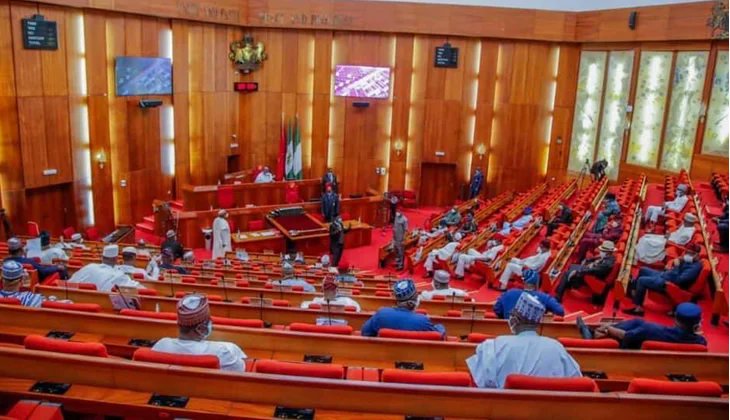
The Nigerian Senate has approved the electronic transmission of election results from polling units, marking a major development in the country’s electoral process. The decision was taken today in Abuja and follows weeks of public debate, political pressure, and nationwide calls for greater transparency ahead of future elections.
With this approval, Nigeria takes another step toward modernising its electoral system and addressing long-standing concerns over how election results are handled after voting ends.
Under the new amendment, results recorded at polling units can now be uploaded electronically to INEC’s result viewing portal where technology and network coverage allow. This is expected to reduce delays in result collation and limit opportunities for interference that often occur during the physical movement of result sheets.

However, the Senate did not completely discard the manual process. Physical result forms remain legally valid as a backup, especially in areas where network challenges or technical issues make electronic transmission impossible. In such cases, the signed polling unit results will still be used for collation and final declaration.
The approval reflects a compromise position within the Senate. While many lawmakers and civil society groups have pushed for mandatory real-time electronic transmission, others raised concerns about infrastructure gaps, especially in rural communities. The final decision allows electronic transmission but leaves room for flexibility.
The move has sparked strong reactions across the country. Supporters believe it will strengthen transparency, improve public confidence in elections, and reduce post-election disputes. Critics, however, argue that retaining manual backups could still leave room for controversy if not properly managed.
The Senate’s version of the amendment is expected to be harmonised with that of the House of Representatives before being sent to the President for assent. Once signed into law, the provision will guide how election results are transmitted in future polls, including the highly anticipated general elections.
For many Nigerians, today’s decision is being seen as a crucial test of the country’s commitment to credible and transparent elections in the years ahead.