Power Minister Opposes Construction Of 4,800MW Nuclear Power Plants

 The Minister of Power, Adebayo Adelabu, has advised the Nigeria Atomic Energy Commission against the plan to build four nuclear power plants to generate 1,200 megawatts of electricity each. He made known his advice during a meeting with the commission, according to a statement by his media aide, Bolaji Tunji, on Wednesday.
Adelabu received the acting Chairman of the Commission, Anthony Ekedewa, in his office in Abuja on Tuesday, where he made the remarks, according to the statement. At the meeting, Ekedewa was said to have briefed the minister on the activities of the commission, which he said was established in 1976 by former President Olusegun Obasanjo, as a military head of state. He stressed that the commission is proposing the establishment of nuclear power plants with the capacity to generate about 1,200MW.
Adelabu reportedly “advised against the proposed establishment of four power plants with a capacity to generate 1,200MW each, by the commission.” Although he said modular nuclear reactors were fine, especially with the way the government has decentralised the sector, Adelabu asked how much of the conventional sources of energy have been exploited.
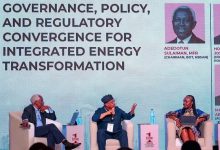

The Minister noted that this is an area that states cat benefit from. A lot of investment has gone into the development of the commission over the years, and Nigeria should start reaping from the investment.
The statement disclosed that the Federal Ministry of Power has begun moves to collaborate with the Nigerian Atomic Energy Commission to increase power generation and make supply more stable, effective, and reliable. He said the collaboration would boost power generation and stabilise the power sector as part of the reforms being undertaken in the sector.
According to him, although the process is tedious and costly, the outcome is more beneficial to the country, adding that a nuclear power plant is an advanced stage of energy generation.
“I wish we were there already in this country, but we are not there yet. We should, however, ask ourselves how much of the conventional sources of energy we have exploited. Nuclear power plants tend to be at the lower end of concern over the years, but we have to understand that nuclear energy is the future of energy generation,” he posited. He regretted that there had not been much done in areas of collaboration between the ministry and the commission over the years.
He proposed a workshop with both the ministry and the commission, with other stakeholders in the power sector in attendance to brainstorm on how the collaboration can be better sustained and beneficial.